A smorgasbord of educational philosophies

During my seven years as a homeschooling Mama I have learnt about many different educational philosophies – Montessauri, Charlotte Mason, Classical, Leadership Education, Waldorf, Unschooling and more. What I love about this plethora of styles and approaches is that they are like a delicious buffet of ideas which homeschool parents get to pick and choose from, and delight in! As I read and learn about this variety of educational philosophies, I take out the bits I like, drop the bits I don’t, and create a personalised approach to education which fits our unique family dynamics.

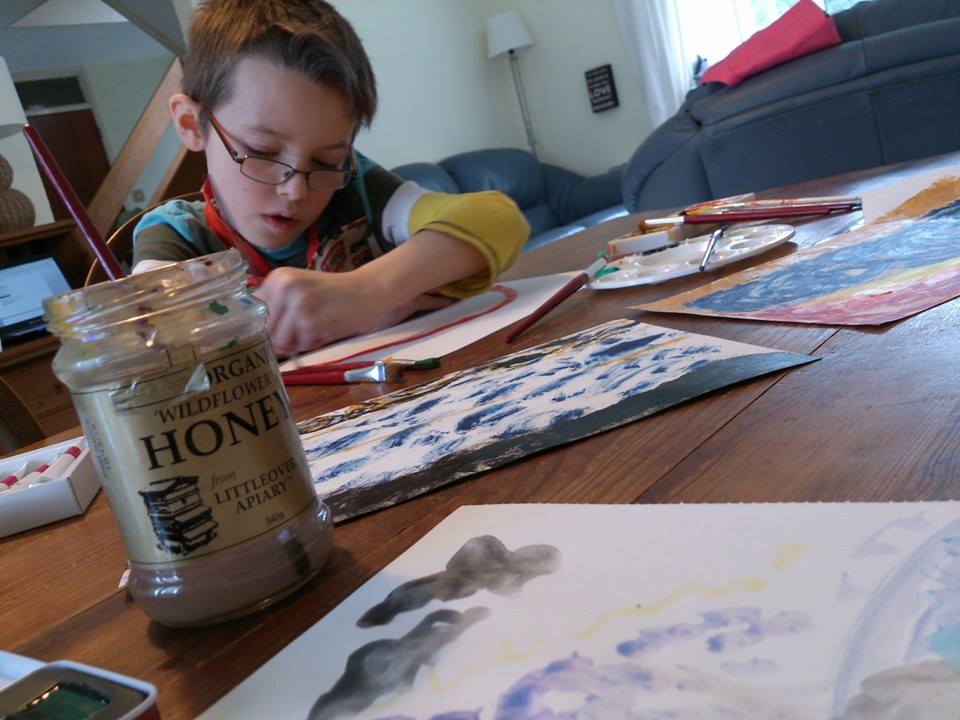
Prince doing some interest-lead artwork...

Prince doing some interest-lead artwork…

Recently I have been studying the Leadership Education approach, which I am super excited about! We’re in the process of working out how best to incorporate this new style into our learning at home, but so far it’s been an inspirational journey. Today, though, I want to focus on the process of evolving a personalised educational philosophy. One of my favourite homeschooling writers, Jamie Martin from Simple Homeschool, has already written very eloquently on this topic, so I will leave you with a link to her post on The Evolution of an Educational Philosophy: My Journey of Baby Steps.

I pray that those of you considering or just starting out on your own homeschool journey will be encouraged to seek out educational philosophies which inspire you and your own family.

My Homeschool Day in the Life with a 5 and 7 year old

I love hearing how other people construct their homeschool days. I like to find new ways of doing things, ideas I can incorporate and lessons I can learn from. Recently Simple Homeschool ran a ‘day in the life’ series and ended it by inviting readers to share their own days – so I am! I hope you enjoy this peek into our life as much as I enjoy living it!

Friday 14th, 2014 – Valentine’s day!

7:30 am

Wake up! I don’t always get up at 7:30, as I don’t like to set an alarm. I usually wake when the kids climb into bed for morning snuggles, but today they stay in their room playing quietly so I wake on my own. Not sure what time they got up… probably 7ish, as normal. Once I’m up I tell the kids it’s time for ‘Morning High Five’, a fantastic idea I found on this blog recently. I adjusted the download from there to suit our own needs and ended up with this Morning High Five poster – feel free to print and use, but please keep the original copyright info so the right person gets the credit 🙂

How we do morning 'stuff'.

How we do morning ‘stuff’.

We normally complete this list of morning jobs and end with a super excited high-five. Today, though, we have swimming lessons so we skip the chores and get ready to go out quickly.

8:00 am

Princess & I finish getting ready for swimming while Prince, who has finished everything he needs to do, catches a few mins to read some Magic School Bus in his Book Nook.

8:15 am

It’s time to leave for swimming. We are blessed to have private swimming lessons funded by Grandma, so the kids get detailed attention from their teacher and are able to progress quickly and effectively.

10:15 am

We’re back from swimming now.  I get a snack sorted (brownies made with spelt flour and muscovado sugar – that’s healthy, right?!). Prince sets up our next activity (Bible Study) while Princess gets out the abacus and does some counting.

10:30 am

Friday is our Bible Study day (we have a rota of different types of Bible/worship/devotional sessions that we go through each week). We’re in John currently, and read a bit of chapter 2 today while eating our snack. After talking about it a bit we pick a memory verse and have a short prayer time.

11:00 am

We move into ‘Learning Fun’ now. Prince decides to read the Usborne First Illustrated Science Dictionary while Princess writes out our memory verse, taking extra time to get her letters formed right, and everything spelled and punctuated correctly. In between helping Princess and responding to Prince’s frequent calls of “Mommy – LOOK AT THIS!!!” I practice some French on my Duolingo account.

Learning Fun!

Learning Fun!

11:30 am

I call the kids together and tell them we’re going to do some science. Although this is technically a ‘lesson’ we all see it as great fun and more like an investigative game. Today we learn about air as a real substance, and how to demonstrate that it – along with all matter – has weight (technically mass, but we’re not that far yet) and takes up space.

12:15 pm

We finish our science lesson and I switch on Classic FM for some background music. Princess plays around with a left over balloon from the lesson, while Prince goes back to reading his science dictionary. I get online to check emails, catch up with Facebook, and work on my blog – frequently punctuated by exclamations of interest from Prince and calls that I “must” come see some thing or other. Love it!

12:30 pm

I grab the kids a piece of fruit each and we snuggle up on the couch to read a bit of the poetry book we are going through: Where my Wellies Take Me by Michael Morpurgo. I love this book – it has quality illustrations, a good selection of poetry and a delightful nature-centered story line.

12:45 pm

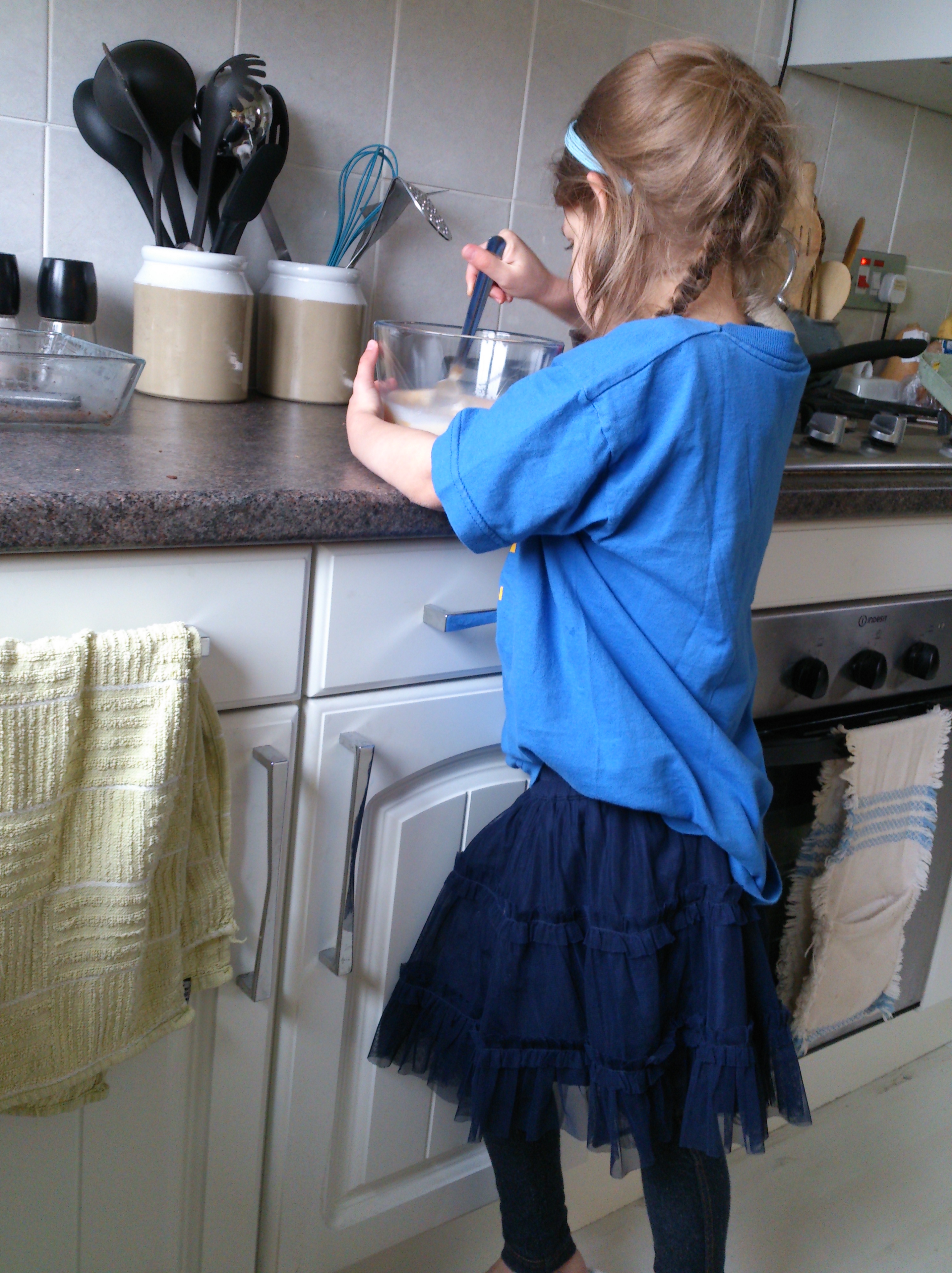
I get ready to make lunch, and Princess decides to help me. Together we mix up a yummy-scrummy scrambled eggs with tomato, onion and fresh basil. Meanwhile, Prince signs into his Duolingo account and does half a lesson of French.

My Princess mixing the eggs.

My Princess mixing the eggs.

1:15 pm

Lunch is ready! The kids settle down to eat while they watch a nature documentary – ‘Life in the Undergrowth’ today. I eat at the computer to catch up with some more online stuff, then unpack my Book People order which arrived earlier in the morning.

1:45 pm

Princess has finished eating, and although the nature documentary is still on, she has had enough of it. Now she moves to the table and makes nature pictures for “sick people” – her aunt, her great-uncle, and her special friend, a girl we support through Gospel for Asia. I sit with her and wrap my husband’s valentines present (‘The King’s Speech’) and make him a card. At 2:00 pm Prince finishes watching ‘Life in the Undergrowth’ and joins us at the table.  He wraps his cousin’s birthday present ready for her party tomorrow.

2:30 pm

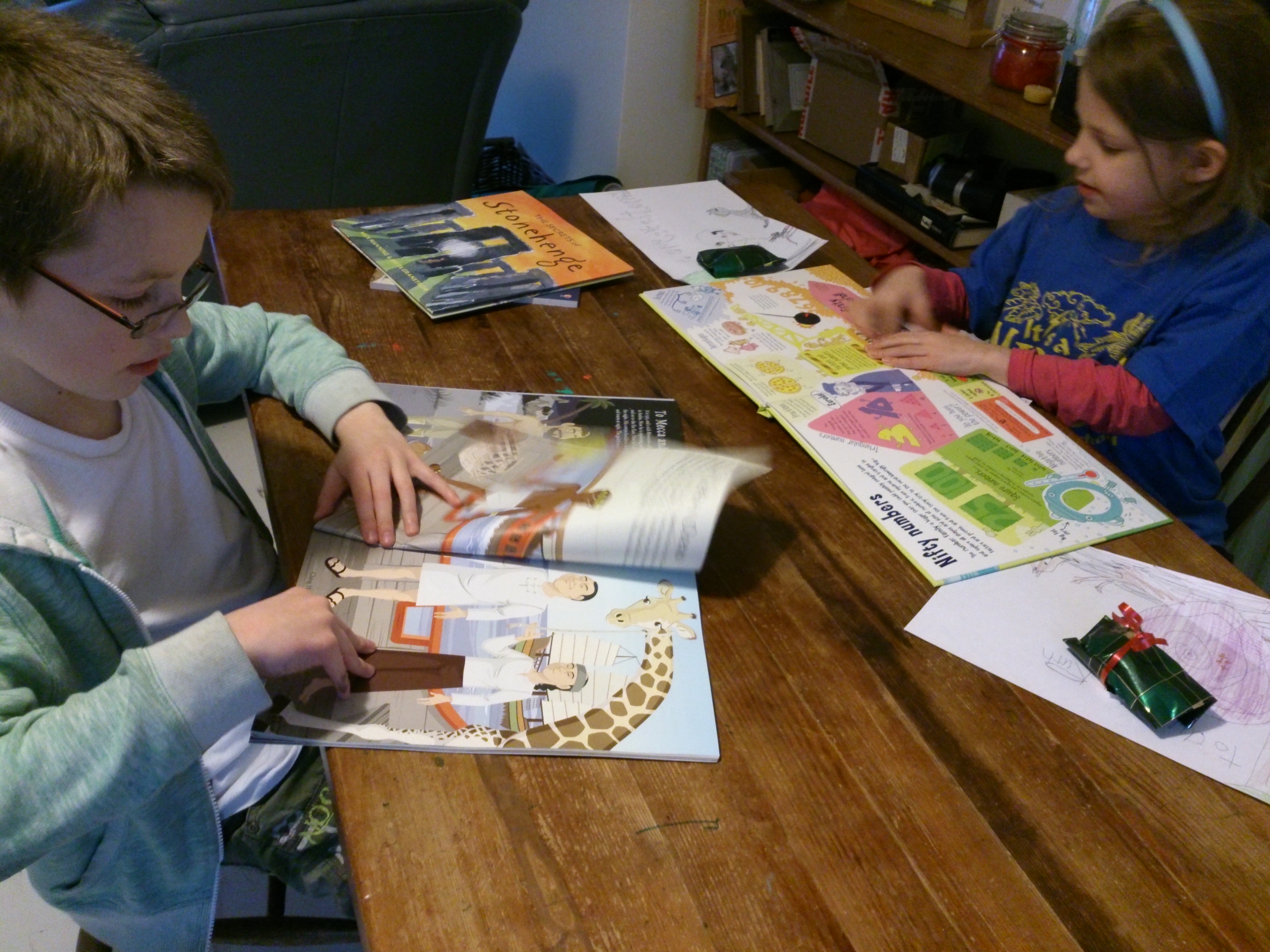
We now have a couple of hours just moving from one thing to another. This time is filled with reading some of the new books, maths on computer, more Duolingo, unpacking the dishwasher, and Skyping with Grandma.

Enjoying the new books.

Enjoying the new books.

4:00 pm

I call the kids to the couch again, and we snuggle together while I read the next chapter of our current read-aloud, ‘Pollyanna’.  I LOVE this book!  If you have a Kindle you can get it for free, which is simply awesome.

4:30 pm

It’s tidy-up time. We always try to tidy up before Daddy gets home. Usually this is when I also make supper, but Friday means Family Night and take-out chips for dinner!

5:15 pm

Daddy’s home! We settle down to watch an episode of ‘Little House on the Prairie’ while we eat our chips. Prince has a slight earache, so I make him up a ‘garlic hearing aid‘ which seems to sort it out.  I love garlic on so many levels.

6:30 pm

We send the kids up to get ready for bed. Daddy helps them, then we all climb onto our bed for Bible reading with Daddy. He’s reading right through the Bible, and tonight we are in Genesis at the battle of four kings against five. At one point Daddy reads something about ‘tar pits’ and stops to check if the kids know what those are. This conversation ensued:

Daddy:  “Do you know what tar pits are?’
Prince:  “No.”
Daddy:  “They are pits which are full of black, sticky, thick, icky, gooey stuff.”
Prince:  “Like tar?”

7:15 pm

After praying with the kids we go down to watch ‘The King’s Speech’. I get foot rubs, which is always one of the best parts of my day.

10:00 pm

Bed! After a super fun day of learning and love it’s time to sleep. What a blessed Momma I am!
Ten things I love about home education

I met someone recently who said to me “I’ve always thought I would homeschool my kids if there were no other options.” I smiled, and replied, “I’ve always thought I would send my children to school if there were no other options!”

A lot of people look at me in awe when they find out that we home educate.  They say things like, “You must be so patient!”, “That must be hard!” or “I could never do that!”.  Well, the truth is that is can be hard, I  have to learn patience, and actually you could do it if God called you to it.  But my most common response to comments like these is a broad smile accompanied by “Actually, I LOVE it!”  And I do.  I really, really LOVE home educating my children.

So here is a list of just ten things I love about home education, in no particular order.  These are not necessarily reasons for homeschooling – you can find out more about why we choose to homeschool here – but rather some of the aspects of home education that I personally enjoy.

Whatever type of schooling you feel God has called your family to, I hope you enjoy – and perhaps find some inspiration in – this list.

  • Seeing first-hand the progress my children make on their learning journey.
    Whilst parents of schooled children can certainly track their progress to a degree, I love being an intimate part of that journey, witnessing the struggles, the light-bulb moments, the eagerness and the delight.
  • Being a key decision maker in the educational content, timing and presentation.
    I feel privileged to be able to make choices about what my children learn, how they learn it, and when they learn it. We are not constrained by a classroom full of needs, so learning can be a personalised timetable, allowing children to take time when needed, and rush ahead when talented.
  • Learning out & about!

    Learning out & about!

    “School” in PJs, the park, the car or the couch.
    I saw a funny video once, in which a homeschooled teen talked through common myths about homeschoolers, debunking each one in turn.  But the last one, he acknowledged to not only be true, but to be one of the greatest benefits of home education – doing ‘school’ in pajamas!

  • Sharing my faith throughout the day.
    Being with my children all day is not boring or difficult – it is a blessing beyond any other.  It gives me countless opportunities to show them grace, love, joy, perseverance, forgiveness, petitioning in prayer and personal Bible study.  This can obviously be done with schooled kids as well, – but with long school hours, homework and extra-curricular activities I have heard many parents talk of how busy they are and how little quality time they get to really spend with their children.
  • Crowd-free day trips and holidays.
    This is a sweet benefit!  We always try to go to the pool, the zoo, the museum and on holiday during school term.  This saves money (always helpful in a one-income family) as well as having SO – MUCH – SPACE!  Awesome.
  • Sibling love.
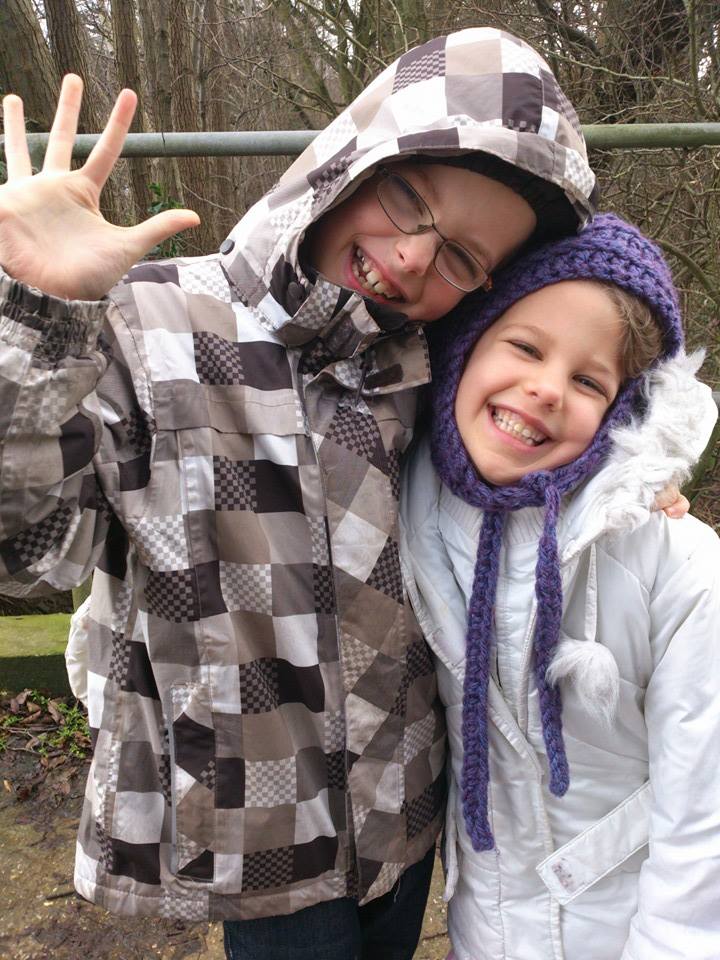
    Another frequent assumption about home education is that siblings would simply go crazy and kill each other.  Let me put you at ease on this: not only do they not kill each other (a definite bonus), but in my experience homeschooled siblings tend to get on very well! My own children are best friends. I am not saying they never argue or get frustrated with each other, but every homeschooled family I know has siblings who are friends. Every one! And I think this is because they spend so much time together, not despite it.
  • Best of friends!

    Best of friends!

    Learning together.
    I don’t know about you, but I don’t remember most of what I learned from my schooling! But now I get to learn it all again, and this time I’m really interested.  People often ask if you have to be a qualified teacher to home education.  You don’t.  Learning alongside your kids is not only acceptable, I think it is desirable.  When children watch adults seek out education and enjoy learning new things, they tend to follow this example.

  • Learning year-round.
    Learning is a life-time occupation.  Having a natural learning approach means we don’t really ever ‘break’ from schooling.  Rather, we are always open to learning, and welcome it as a natural part of life. We do have periods which might look more or less like school to the outside observer, but in truth we aim to keep an attitude of learning in everything we do, all through life.
  • Peaceful paced life.
    Some homeschool moms might read this and think I’m crazy.  Home education is not always calm and quiet, it’s true. But it allows me to set the pace I think is right for my family, and most of the time I find this is a pace of peace. I don’t have to rush my children out the door at 8 am, trying to avoid the school run traffic. I don’t have to force my four-year-old to spend six hours at school and pick her up exhausted (okay, she’s actually five now – but I was glad of it last year). Whilst we still aim to get up and make most of the day, it is done with a spirit of joy and peace rather than obligation and force.
  • Taking responsibility for my children’s upbringing.
    I find this a hard one to explain without causing offence, so I make a disclaimer here: I totally believe that each family MUST make decisions regarding schooling options for themselves.  You should not homeschool because it is right for my kids – only if it is right for yours.  And as long as you have considered the individual needs of your own children, your family unit, and sought God’s guidance on this fundamental aspect of parenting then I respect whichever schooling option you have chosen.  If you have not prayefully considered the options, I beg you would do so.  Kids spend so much of their time at school that to say ‘it doesn’t matter’ is just not true.  I am thankful for the example set for me by my parents, and I am thankful that God has chosen our family to be home educators.

Leadership Education

I am currently reading Oliver & Rachel DeMille’s ‘Leadership Education: The Phases of Learning‘. I was directed to it via a blog I enjoy regularly, Simple Homeschool. Jamie Martin does a fantastic job of explaining Leadership Education in practice over there, and I recommend you check out her many posts to find out more about what it’s like to live this philosophy.

Although I am not even half-way through this book yet, I have found it to be inspiring, practical and fitting with my own ideals of education. The focus is on educating a child in the things that matter most, first. Then it follows up with inspiring a love of learning which will lead children to seek out a superb quality education. It talks a lot about tailoring education to each child’s unique talents and gifts, and seeing the goal of education as preparing them for their personal ‘life mission’. This might be in international ministry, an office job, a world-renowned scientist or a homemaker.

Reading 'Leadership Education' on my Kindle, thanks to my amazing Granny who just knew I "needed" one!

Reading ‘Leadership Education’ on my Kindle, thanks to my amazing Granny who just knew I “needed” one!

After reading through the theory part of DeMille’s book, I put together a personalised summary of the principles and beliefs that Leadership Education promotes. I emphasise personalised for two reasons: First, having not yet read the whole book I may have misinterpreted some aspects, as I don’t yet have the whole big picture. Secondly, I have included notes and quotes which reflect what I take from the book, which is not always exactly what the book means (though in most cases it is). I originally wrote this summary for a friend, but found it a helpful overview myself. I share it with you below, and hope you too find it inspiring, encouraging and useful.

I would especially like to hear from others already using Leadership Education, or those who have read the book and have more comments to offer about it 🙂

Please note that all text in quote marks come directly from the book.  I have not attached page numbers as Kindle versions don’t provide that information.  If you would like to know exactly where a specific quote comes from, please do ask and I’ll provide you with a proper reference.

Basic Premise

There are two main methods of education:

  • Conveyor belt
    • offers all children a set knowledge base without consideration of their specific gifts
    • expects all children to learn through the same (or at least, very similar) methods regardless of age
    • focusses on academic achievement as the main goal
  • Leadership
    • focusses on each child’s unique gifting and starts with this as a basis for learning
    • believes that children learn differently at different stages of life, and adjusts methods accordingly
    • lays a foundation of morality, spirituality and character development, believing this is of central importance to all other learning

 Theory

There are six stages of learning that students should progress through chronologically

‘Nearly all development occurs in stages or phases. This is also true of education. We believe it is important to take advantage of each phase of development to its fullest.’ Ages for the stage are guidelines only, as each child is unique in development.

Foundational Phases

‘over-programming’ during these phases can cause conflict in the child. This is a crucial time to figure out ‘what is success? What is maturity? … What is my relationship with God? What is my relationship with others? What is my duty? And so forth.’ ‘When we give inappropriate attention to academic achievement during these phases, it can teach our children that they dislike academics because everything is “hard” and “boring,” and/or offer our children an alternative source of self-worth that is inferior to a genuine and positive self-concept resulting from living according to true values such as faith, good works and accountability.’

  • Core:  birth to eight or nine
    • ‘During core phase we lay the foundation for all learning and service in the child’s life.’ The ‘curriculum’ is made up of values, relationships, identity and responsibilities.
  • Love of Learning:  eight to twelve
    • Pressure to learn formally in this stage can cause negative attitudes to learning. ‘These are the years when children dabble with learning, getting to know “what’s out there.”’

Educational Phases

‘During this period the bulk of a person’s “book learning” takes place.’ Through this phase the student will being to use about 70% of their time in intensive learning. Important topics are ‘our place in history and the cycles of society.’

  • Scholar:  twelve to seventeen for girls, thirteen to eighteen for boys
    • ‘At first, the new scholar may only study a few hours at a time, but … by the end of Scholar Phase, most student are studying well over forty hours a week.’ Students are still free to study their own choices of topics, though teachers should encourage and inspire them to ‘see the value, relevance, and excitement of studying other important subjects.’ Teachers should be careful not to ‘knee-jerk’ and require conformity to conveyor belt education at this stage, however some formal education at a college or similar is often useful for some topics. Mentors are key during this phase, and ideally fathers should be one of these. During these teenage years, ‘A leadership view replaces the conveyor-belt search for identity with a quest for vision and mission.’
      • NOTE:  there is a “semi-phase” before scholar, termed ‘transition to scholar’. I have not read further on this yet.
  • Depth: eighteen to twenty-four
    • ‘During depth phase, mentors asses student strengths and weaknesses, help students fill in gaps in their knowledge, go into real depth in their areas of strength and passion, and otherwise lead young people in preparation for their life mission and focus.’ As youth typically leave home for college/uni/work during this stage, it is vital that you prepare them to find mentors of their own who will encourage them wisely. This should be a time of mastering self-control and developing education to career-level.

Applicational Phases

‘Leadership Education will naturally be followed by a life of service and leadership.’ This is the time to carry out one’s personal mission work, and to have an impact on future generations. ‘The greatest component of the Applications Phases is not education per se; it is application of one’s education and whole soul to improving the world.  These phases do not have age guidelines, but relate more to the two periods of life as an adult, and then as an elder.

  • Mission
    • This phase is about ‘building the two towers of family and organization’.
  • Impact
    • This phase is about ‘changing the world to be whatever it should be for your grandchildren and their children’

 Learning Keys

There are eight keys of great teaching which can be applied throughout the phase, which enhance learning.

  • Classics, not textbooks
    • ‘Great works inspire greatness.  Mediocre or poor works inspire mediocre or poor learning.’
  • Mentors, not professors
    • Different emphasis ‘professors’ teach a set curriculum, ‘mentors’ find out student goals, talents etc. and ‘develop and carry out a plan designed to effectively develop his genius and prepare him for his unique mission.’
  • Inspire, not require
    • Lack of inspiration should cause the teacher to question ‘what do I need to do to spark their passion to do the hard work?’
  • Structure time, not content
    • ‘Great teachers and schools allow young students to follow their passions and interests during their study time and inspire them as needed to take on areas they may not initially recognize as interesting and desirable.’  This requires a degree of trust from the teacher, both in the student and the method.  ‘Students must have the freedom to fail in order to truly take responsibility for their own progress.  They must know that their education, their life, their mission, will hinge upon their own choices.’
  • Quality, not conformity
    • Resist the pull to conform to educational norms if they do not contribute to the lessons which need to be learnt at each child’s specific stage.  Also, ‘Great teachers inspire and demand quality, ever urging their students to higher levels of excellence.  They shun mere conformity and expect their students to think and perform to their ever-increasing potential.’
  • Simplicity, not complexity
    • Don’t feed students overcomplicated curriculums.  This fosters a dependence on experts and an attitude that he/she is not able to learn and understand for themselves.  Rather, ‘students study the greatest minds and character in history in every field, write about and respond to what is learned in numerous settings, and apply it in various ways under the tutelage of a mentor’
  • You, not them
    • ‘Focus on your education, and invite them along for the ride.  Read the classics in all fields, engage mentors who inspire and demand quality, structure your days, weeks and months to include study time for yourself, and become a person who inspires great education.’
  • Secure, not stressed
    • Try to ‘know what you are doing is right and that you are doing it effectively’.  Use your own system of knowing what is right to evaluate Leadership Education and see if you believe it is right for your family.  If it is right, then learn to do it effectively by taking advice from others who have done it before.  Being secure instead of stressed will result in peace, focus and joy in your educational journey.

Behind the Scenes

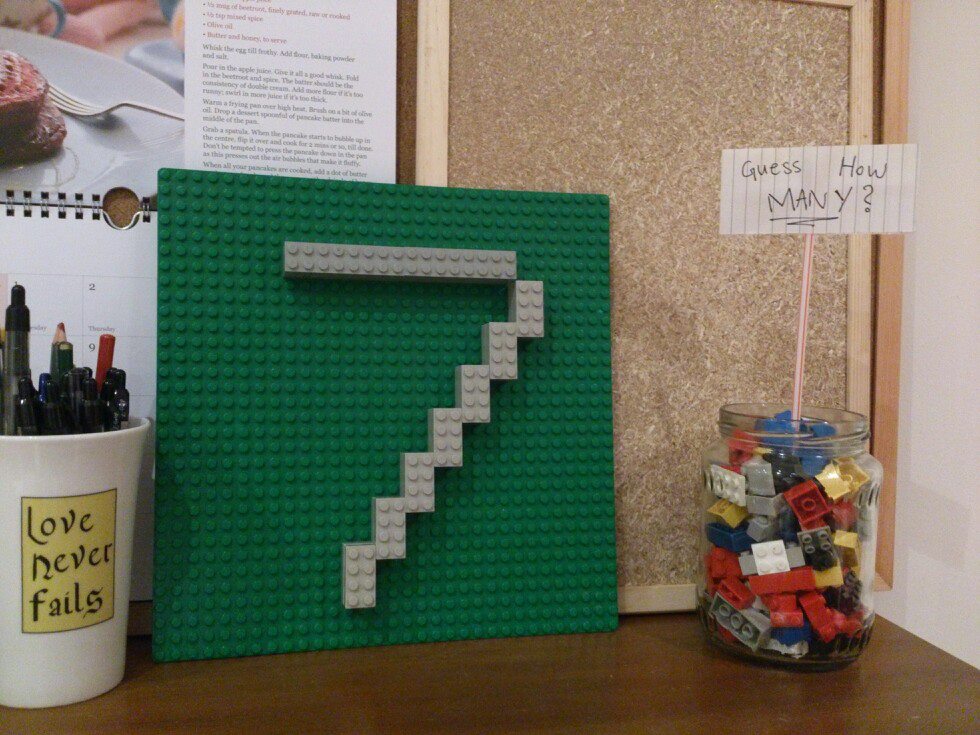
Seven is a really big number.

Seven is a really big number.

I’ve recently started a new schooling system. With the advent of my Prince turning SEVEN (shock, disbelief) I have felt the need to take my relaxed, interest-led, natural learning method a notch up the formality rating. Whilst I still absolutely believe in the benefits and necessity of keeping learning fun, relaxed and relevant, I also have found that some days my kids need a little prompting. With their limited world view there are some things they don’t learn about, simply because they don’t know about it. This is where I come in! I see my role as ‘Chief Instigator and Inspirator‘. (Yes, I know that’s not a word.  But it should be.)

When I let my children learn naturally, I am usually surprised at how much of what they do would be classified as ‘official schooling’ if I had instigated and formalised the learning which happens. For example, yesterday Prince saw a French book lying around so he picked it up and began reading. Sitting next to him, I peered over his shoulder and pointed out that if he read the helpful translation lists at the top and bottom of the pages he would then be able to understand the cartoon strips. With a little help he then read two pages of French conversation, practicing pronunciation and extending his vocabulary! This is my ideal:  unprompted interaction between kids/parents/tools produces effective learning.

But natural learning is not what this post is about.  Why?

Whilst I see first-hand the benefits of learning as opportunity and desire present themselves, I have also seen that there are some things I’d like my children to know which don’t come up in our everyday life very often. Also, there are some days when I feel we have done very little learning of any kind, and although I am comfortable with this every now and then, I desire to foster a habit of industrious activity rather than laziness. SO! Here is my new and improved ‘Natural Learning with a Structured Twist’: It’s very simple really. I started by drawing up a Monday – Friday timetable. Under each day I put in topics that I think are important to make sure we hit from time to time. Over a few weeks I tweaked this until I ended up with this:

My super-secret, under-cover Spring '13 timetable!

My super-secret, under-cover Spring ’13 timetable!

Now, I know how formal this looks. But looks can be deceiving. The key to keeping this natural is this: KEEP IT SECRET! I don’t let my kids know that behind the scenes of our seeming unstructured day is a chart which prompts Mommy to casually say, “Hey guys!  Let’s play ‘Flags of the Word’ together!’ on Tuesday. Or that when I start playing a French computer program on Wednesday, and they just happen to be sitting close by, I am actually taking advantage of their inability to stay away from electronic media, and capitalising on the attention I know they immediately pay to All Things Computerised.  As they listen and – usually – come and join in with me, they are absorbing new words, better accents and French sentence structures without any idea that they are ‘being schooled’. When I write maths problems on our activity board for ‘fun’, this is exactly what they think it is – little do they know that it is actually Friday’s ‘Basic Skills’. In reality, this is not a timetable for the kids – it’s for me.  I am kept accountable through the structure, then implement it through life in as natural a way a possible.

Another key to the natural flow of this new system is flexibility.  One of the joys of home education is it’s flexible nature, and I never want to lose this.  If we don’t get to History on Monday – never mind.  We’ll pick it up on Tuesday… or next week.. or we’ll do double another time… or we’ll forget about it.  Since we don’t break the year up into terms and holidays, but rather school throughout the year (and indeed, the days and weeks), there is no pressure to make sure we cover every thing, every day.  If we miss something, I can always put it down to an inset day 🙂

Reading is Princess's newest learning passion!

Reading is Princess’s newest learning passion!

Lastly, I hold to my belief that children learn best when they are self-motivated and interested. If a child is showing a new passion for music, then take time to indulge that for a while, even if it means cutting back on writing. If, as happened to us, a recent trip to France sparked an enthusiasm for French, then this is a great time to become immersed in French books, programs and conversation. If science needs to take a back seat for a while, so be it. You can always come back to those subjects you left behind, but you can’t always recapture the spark of excitement which lives in your child temporarily.  Don’t miss it – nurture it!

I know that formality, structure, and curriculums are the favourite choice of many home-educating families. But if you’re looking for something a little more natural, then maybe you want to create your own Behind the Scenes timetable.  And maybe you have some other great ideas for keeping the balance between structure and freedom?  Please share them with us all 🙂

A delight-directed journey to the ocean

I have mentioned before that we take a natural learning approach to homeschooling our kids. Delight-directed learning is another term I like to use to describe what we do, and I’d like to share an example of the way this works in our family.

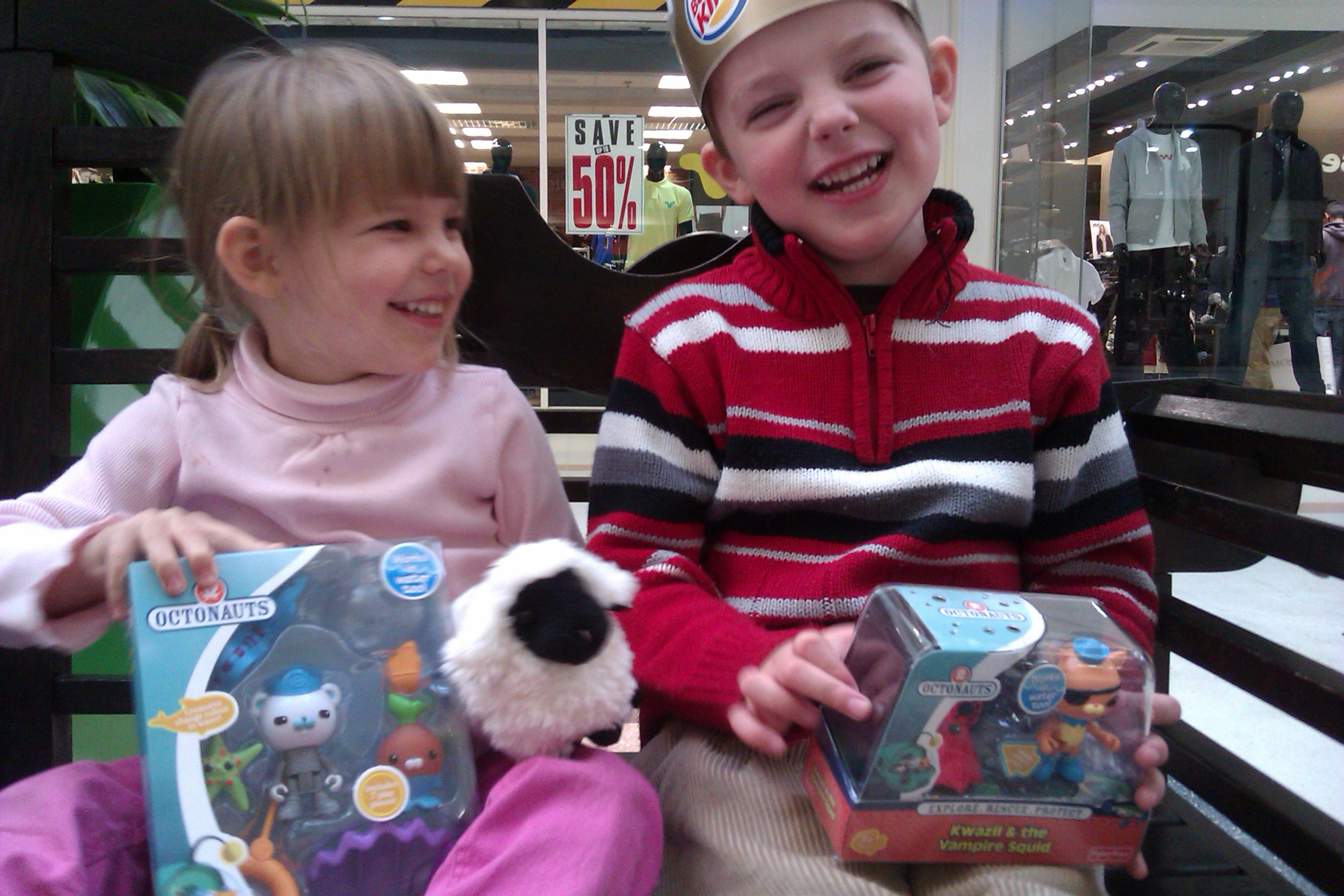
Octonaut happy kids!

Late last year the ‘Octonauts‘ became a popular cartoon series on TV here in England. Although we don’t generally watch TV, we happened to stumble across this program and Prince instantly became hooked. For those who haven’t heard of it, the Octonauts is about a team of animals who go on missions under the ocean to help sea creatures who are in trouble. Having checked it out, my husband and I agreed the cartoon was fun and harmless, and so let him watch it whenever the opportunities arose. Quickly the Octonaut fever grew, and by the end of Christmas he and his sister were the lucky owners of almost all Octonaut gear available! It was then that I started to notice his increasing knowledge of sea creatures and the ocean.

By May this year Prince’s love for Octonauts had started to fade slightly, but replacing it was a deeper interest the real ocean and the creatures who live in it. For his birthday we decided to celebrate this with a trip the to the London Sealife Aquarium, which he LOVED!  From then on his passion has grown and grown. As he showed greater interest, we helped him to learn more by providing him with books, documentaries, posters, field trips and other sources of information (some of these were free, others we spent money on).

Allowing Prince’s learning to be directed by his delight has had amazing results. In less than a year he has gone from knowing practically nothing about the ocean, to being an expert on sharks (most especially the great white, which he thinks is just beautiful) and knowing more about the ocean than anyone else I know (adults included).

It may be obvious that through this passion Prince has learned a lot about science, but what may not be obvious is that it has also contributed to other areas of his education too. For example:

– His reading has improved as he borrows, buys and reads every book he can on the topic.
– Similarly, his vocabulary has increased to include many specialist words he would not otherwise have come across.
– He is grasping mathematical concepts such as percentages, size and weight measurements.
– He has written and illustrated several books on the ocean and its creatures.
– He researches and draws anatomically correct pictures of varieties of different species.

Delight-directed learning really is a delight, and I am so thankful to God that we are able to pursue this style of home education!

Teaching your child to read

I can clearly remember, when Prince was about 2 years old, watching a 5 year old daughter of a friend reading a book, and feeling suddenly very daunted at the idea of teaching my children to read. It seemed such a huge thing, and so difficult. Even though Prince could already tell you the phonic sounds of all the letters of the alphabet, and their names, reading still seemed such a distant and impossible achievement. Yet now, at 6 years old, Prince can easily read just about any book he cares to pick up.

For those of you who are considering home education and might be feeling the same daunting fear that I once felt, I want to encourage you: the path from then to now was easy – and I am no qualified teacher! Here are some things we have done to get to where we are today.

  1. From early on we introduced letters and their sounds in play. One of my favourite toys was foam alphabet letters for the bath. We found these useful for reinforcing the shape and sound of letters, as well as associating letters with fun – Prince particularly enjoyed using the letters to build up shapes of vehicles and buildings!  The other toy which really helped with learning letter sounds and names was a toy bus we borrowed from a relative. Prince would press the buttons and copy the sounds, all of his own accord, and learnt a lot in this way.
  2. Once Prince knew the basic sounds, I introduced two letter sounds like ‘sh’, ‘ch’, ‘ee’ etc.  I looked at the Jolly Phonics guidelines for which sounds were best to introduce at what stages. I printed out a chart which I put up for Prince to see everyday, and I also just talked about them as we came across them in our everyday life. For example, if we were reading a book and the word ‘food’ came up, I might say, “Look, Prince – F-OO-D.  See how these two ‘o’s’ make an ‘oo’ sound when you put them together?”
  3. We also began blending sounds to make words from early on. As soon as he knew the sounds for ‘c’,’a’ and ‘t’, for example, I would show him how they can be put together – slowly at first, then faster until he could hear the word ‘cat’. I didn’t do this formally, but simply as opportunities presented themselves through every day life. When you take time to see it, you notice that we are surrounded by words everywhere; walking through the mall can be a phonics lesson! Again, we also had toys which helped teach blending, spelling and reading, such as a Jolly Phonic’s puzzle, and a Melissa & Doug ‘See and Spell’ board.
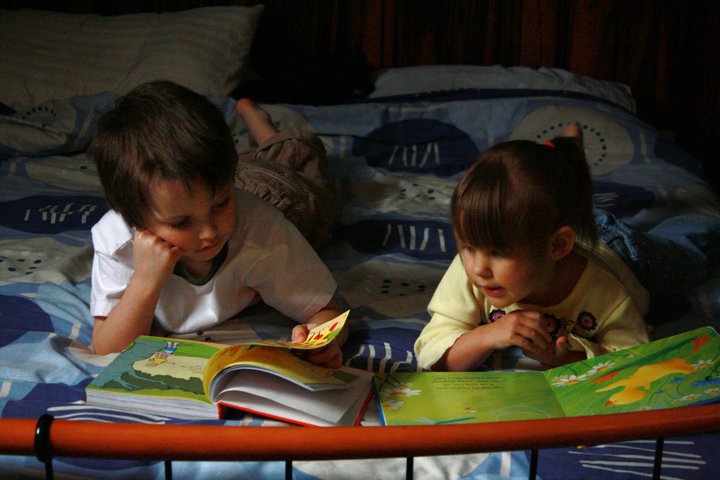
  4. Enjoying books together.

    When I thought he was ready, I introduced Prince to the first ‘Jolly readers‘ books.  In retrospect I think I did this a bit too early, and I did find that I had to take a break and restart again later on (we first started these when he was four).  I think the ideal time to progress onto the next level is when the child is showing an interest, and this progress should be a natural flow, rather than a segmented step up.

  5. When Prince was five we made our way through the next level of Jolly readers, and began the third level. By this time his reading had improved, but the requirement to read for an hour everyday (this was about how long it took him to get through a level three book) was too much. Although he didn’t put up much of a fuss, I could see that the task was too hard for him, and as such was affecting his enjoyment of books in general. At this point I decided to take a break from any set reading schedule, and just let him do what he wanted with his time for a while.
  6. Since then I have not gone back to any form of ‘teaching’ reading, and it has been during this time that his reading has improved most dramatically! It took a little while – a few months – but I found that he started to enjoy reading so much more once the pressure to learn was taken off of him. And because he enjoyed it, he worked at it. He figured things out, asked questions and persevered until he could read the books he wanted to read. As his ability continues to increase, he stretches himself further and further, and so progresses without me needing to do anything more than simply answer questions like ‘what does that say?’ What could be easier than this?!

Overall, the single most important piece of advice I would give in teaching your child to read, is to enjoy books as a family. Enjoy them together, encourage them to value books of their own, let them see you reading, read out loud, create special reading times. Because out of enjoyment, comes learning.

Prince still has a lot to learn, of course – he is only six! But I am confident that he will pick up what he needs to know as we go through life together, taking opportunities to learn as they present themselves, and enjoying the process of reading for pleasure.

Putting the fun back into school

As part of our natural learning approach to homeschooling, most of our ‘schooling’ comes in the form of fun activities. Because of this, games and stories are major contributors to the education of our children. Here are some ways we incorporate learning through these mediums at our house.

Fun Games

  • Orchard Games has a lovely range of good quality games designed to help young children learn different concepts.  Some that we have and enjoy are:
    • Shopping List – builds memory and can be used to talk about life skills to do with shopping.
    • Ladybirds – excellent game for early counting and adding skills (we have also used it to talk about multiplication, patterns and art, with a bit of creativity!)
    • Tell the Time – really nice game for learning to tell time in both digital and analogue.
  • Time Bingo by Learning Resources is another great game for learning analogue time telling in 1/2 and 1/4 hour increments.
  • Boggle, Scrabble, Scattergories and other adult games can also be used with children. Prince especially loves playing simpler versions of these games with us, and they provide opportunities to improve writing and spelling skills.
  • One game we are about to start using is ‘top trumps’. Prince turns 6 this week, and we have ordered him this ocean creatures version for his birthday. I anticipate this being a great fun way to learn and memorise facts about ocean animals, and there are many other versions available on a wide range of topics that could also be useful learning tools.
  • Living Water Bible Games and Online Maths Tutor are two websites (created and run by my Mom!) which have a great range of games that can be used to teach lessons on these two topic respectively.
  • Some games can also be played when you are out and about, either walking or in the car.
    • ‘Bus Stops’ is a game my family made up when my brothers and I were little, and now we adapt for our own kids. The idea is to get as many points as you can by spotting various things on your journey. The point system is as follows: bus stops = 1, buses = 2, double-decker buses = 3, Volkswagen camper vans = 4. Playing this game has significantly improved Prince’s mental arithmetic skills, due to the Very Great Importance of keeping track of one’s score, and attempting to beat one’s Daddy.
    • I Spy has been a great favourite with our kids for a while, and they have learnt a lot about spelling and phonetics by playing this over the years.

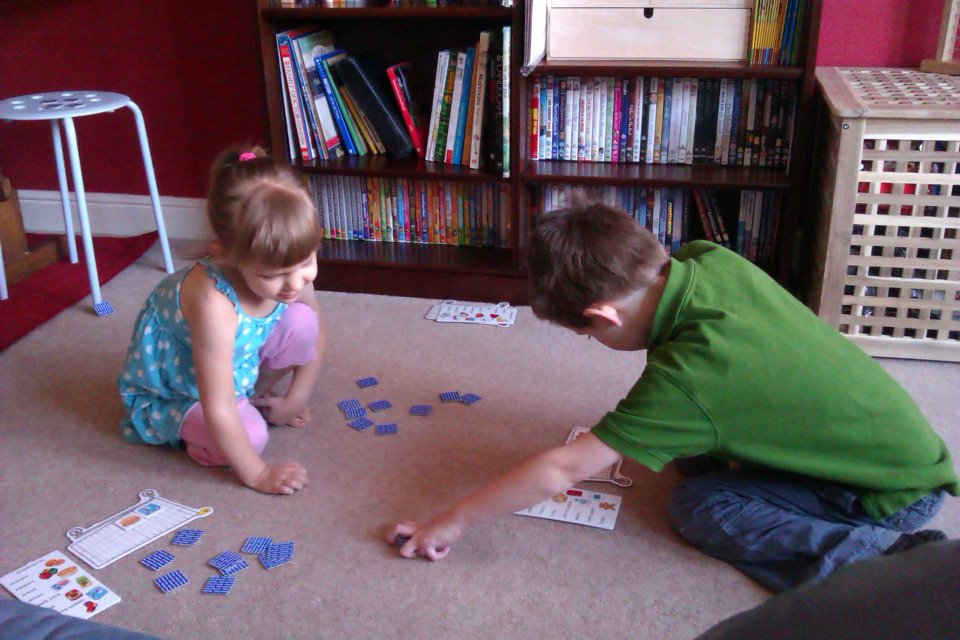
Playing ‘Shopping List’

Fun stories

  • At the moment Prince’s interest has been captured by Usborne’s phonic reader stories. We have the complete collection all in one book. Now, this a pretty thick book, and though Prince is really getting into reading now, I was still somewhat surprised when he picked up the book for the first time, and read all the way through 11 out of the 12 stories yesterday! I was yet more surprised when today, he asked for the book again and read all the way through the whole thing! I asked him what he liked about these stories, and he said, “I like them because there is a pirate one, which is called Big Pig on a Dig. And Ted in a Red Bed is a very nice one. I like all of them, Mommy.”
  • Another fun way to learn about all kinds of topics is through what Charlotte Mason calls ‘living books’. This simply means books which have been written about one topic, by an author who has an obvious passion for their subject. I like the definition given here:

“Living books are usually written by one person who has a passion for the subject and writes in conversational or narrative style. The books pull you into the subject and involve your emotions, so it’s easy to remember the events and facts. Living books make the subject “come alive.” They can be contrasted to dry writing, like what is found in most encyclopedias or textbooks, which basically lists informational facts in summary form. You might be surprised to find that living books are available for most school subjects — even math, geography, and science!”

Reading through Usborne’s phonic reader stories.

I am sure that there are endless ways to have fun and learn at the same time – you just need a little creativity, a love for fun and an eye for opportunities. What fun opportunities do you and your kids enjoy?

All things bright and beautiful

Yesterday the kids and I went with some of our homeschool friends to the Natural History Museum in Tring. It was incredible! If ever you need a reminder of the awesomeness of creation, this is a great place to go. By the end of the day I had a renewed appreciation of the beauty and wonder God has put into the world, and of His majesty and power.

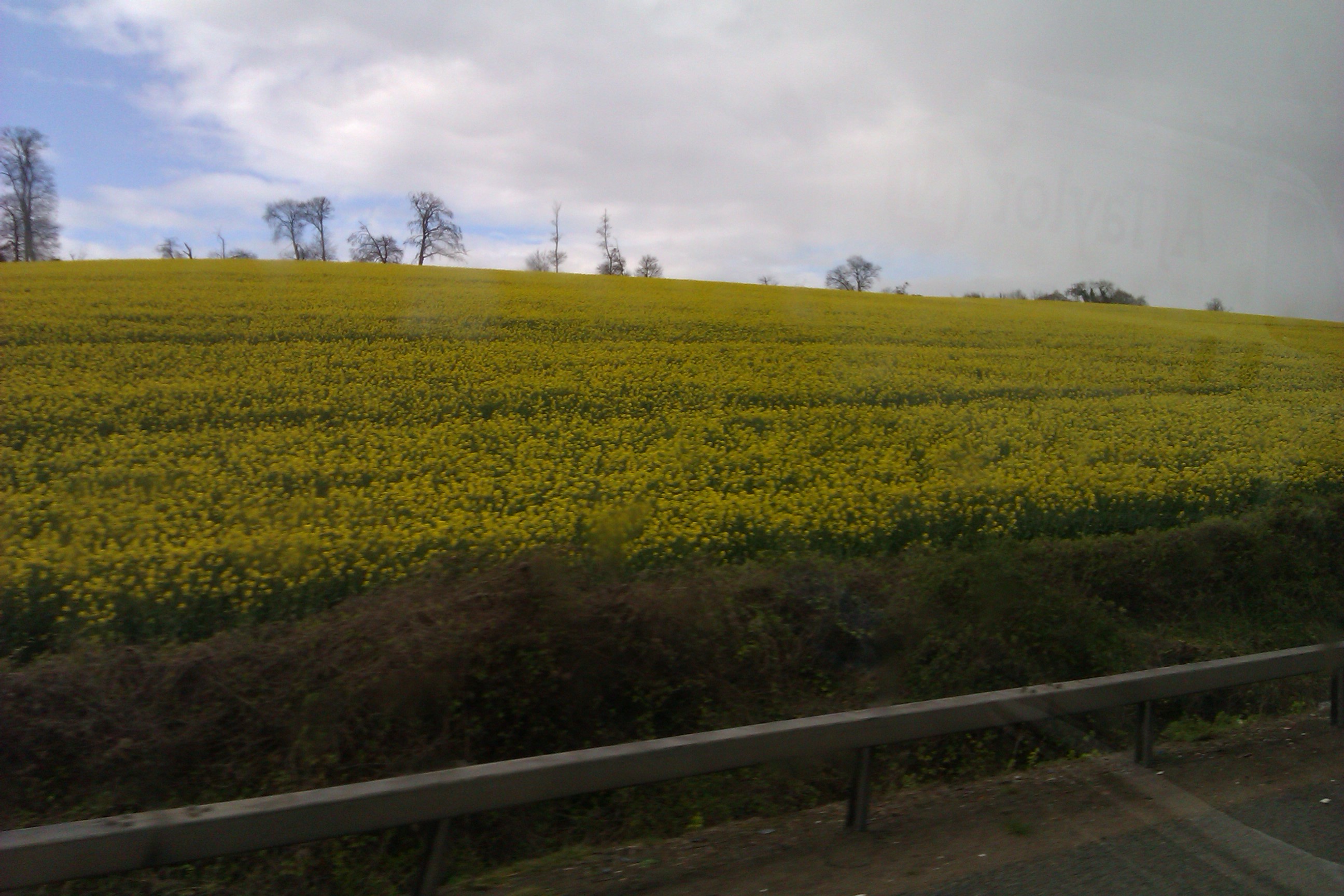
The green field - I caught it on camera on the way back home.

Tring is about just over an hour away from us, but due to rain and road works the journey took us two hours to get there. It was a pretty grey day, and I was looking out the wet windows as we drove along the motorway, not seeing anything of particular interest. Suddenly, as we rounded a curve in the road, a gorgeous bright yellow-green field came into view. It took my breath away! I was awed by the simple beauty of the crop, as it stood out bold and cheerful though dull, damp air. Wow – God can sure paint a scene!

The view across the hills as we left the motorway.

As we drew nearer to Tring the weather cleared up a bit. The blue sky brightened the day as we turned off the main motorway and began to drive along the winding roads. The countryside here was soft and green, with rolling hills, grazing sheep, and dandelions providing spots of yellow colour. I wished I had time to stop and walk though it all, and really take it in. As it was I had to simply enjoy it as we whizzed past, and attempt some pictures with my HTC phone camera!

God is amazing!

By the time we arrived I already knew that I would have to share this wondrous beauty with you all today. Little did I know what was waiting inside to confirm that decision! The car park was tiny and subjected to construction work, and the building looked like it could hardly hold anything of value. I gathered a few of the kids while our driver kindly went to look for a parking space further afield, and we walked into the building. We were greeted by friendly people, who showed us where to buy some activity sheets for the children. After spending £1.50, gathering pencils and drawing boards, and checking I had the right number of kids with me, we entered the first gallery.  Wow.

I could have stayed in this gallery for hours. I think we did spend about 45 minutes there. It was a small room for a museum – hardly bigger than the square footage of my flat – but it was packed from floor to ceiling with animals. There were bears, wolves, gorillas, big cats and birds of all kinds. Up above we could also see glimpses of safari and ocean creatures, which we saw in more detail when we got upstairs to gallery three.

It’s hard to say what my favourite part of the museum was, but I can narrow it down to three top experiences:

  1. Seeing the incredible beauty of a huge variety of birds up close.  I  have never been particularly interested in birds, but I’ve been getting more taken with them as I get older. Yesterday upped my interest a lot!  There so many varieties, and all so beautifully and intricately designed.
  2. The delighted cries and amazed faces of the children.  From the moment we entered until we left the children were moving from display to display, calling out for us to look at each new amazing discovery. They loved being so close up to the animals, seeing what they really look like. They took time to learn new facts, compare and contrast species and draw their favourite creatures.
  3. The ocean gallery.  Prince is very into ocean creatures at the moment, and whenever he is passionate about a topic I find myself being drawn into it too. The coral, crabs and sharks were particular favourites of mine in this section.  There was such detail, beauty and power in these creatures.

We stopped for a yummy indoor picnic half way through our exploring, and then made our way around the last galleries in the museum. After browsing the gift shop (Prince bought a pen for drawing with his own money), and a last trip to the loo, we walked back to the car. It was parked down a little village street, opposite fields where a few handsome horses were grazing.  Just lovely.

In our bedtime prayers we all thanked God for the amazing day out, and for the creation which we were blessed with witnessing that day.

For since the creation of the world God’s invisible qualities—his eternal power and divine nature—have been clearly seen, being understood from what has been made, so that people are without excuse. Romans 1:20 (NIV)

Why we homeschool

Our family has made the choice to home education our children, rather than put them in the school system. Below is an outline of the ‘why’ behind our decision. This is certainly not an exhaustive list of our reasons for choosing to homeschool our kids. It is also not intended in any way to make others feel guilty for sending their kids to school. It’s simply an overview of some of the most important and outstanding reasons we believe that – for us – homeschooling is the option we must (and desire to) choose.

Spiritual Training.  Just as a solider training for war should go where he can be BEST trained, so we – training our kids for the spiritual war they will engage in as they grow – want to train them in the BEST possible place. In our opinion, this is not a school setting.  Why?  Because:

  1. We want to create an atmosphere where prayer, Bible study and unconditional love are a central part of their learning process, as we believe this creates a solid foundation for a life of love. (Deut 6:6-8)
  2. We want to be able to frequently and consistently show them how the Biblical principals of love, kindness and responsibility should influence thoughts and behaviour, and train them to make this a personal habit for life.  (Proverbs 22:6)
  3. We want them to be totally immersed in an atmosphere of love, acceptance, affirmation of who they are, and be the ones to provide consistent and loving discipline. At school we perceive that they will be too exposed to anger, bullying, discouragement and lack of discipline which can negatively impact character development.
  4. We want them to regularly observe adults and children who model love, integrity and diligence – characteristics we feel they should be aspiring too. Kids imitate what (and who) they see the most.
  5. We want them to be comparatively free from the long and daily peer pressure to conform to worldy standards. We want to control such exposure so they learn to love those they disagree with, rather than imitate them.

Academic excellence.  With ratio at almost always close to 1:1, we believe that education at home is far more likely to be of good quality than education at school. Even without formal teacher training we believe this is achievable. How?  Because:

  1. We can work hard at developing and maintaining a love for learning in our children. This (which is so easily and quickly lost in school settings) will help them to be life-long learners, and people who are diligent to search out whatever they need to know in the future.
  2. We are able to be very in tune with what subjects and topics each child enjoys, finds easy, or struggles with in some way. We can tailor their education to these strengths and weaknesses, moving ahead quickly when they excel, and taking the time needed when they would otherwise have struggled.
  3. We can focus on true understanding rather than test scores. Learning can be put into context and become meaningful, rather than abstract.  Long term learning is the goal.
  4. With the responsibility on our shoulders of educating our children, we tend to learn alongside them. This means that we are able to weave threads of learning easily through-out life as whole.  Learning becomes a natural part of life, not a 9am-3pm chore.  It also becomes a shared process of enjoyment and mutual encouragement.

Personal development.  There is no need to fear a lack of socialisation in homeschooled children – in fact the opposite may be true. Homeschooled kids are constantly around a variety of ages, and learn how to interact in everyday life, rather than the artificial situation which a class, year or grade makes up at school. With homeschool co-ops, clubs, music, art, swimming, church, camps, etc, there are no shortages of opportunities to socialise. But apart from this, there are other personal developmental benefits to homeschoolng:

  1. Self-discipline.  Opportunities to learn by one’s own initiative come up frequently in home education, and this promotes self-discipline, a huge benefit for life in the adult world.
  2. Problem solving.  While this can certainly be learnt at school, it may not be taught as specifically as we would like. We want to be around to teach loving and peaceful ways to solve both interpersonal and situational problems.
  3. Acceptance of others. Unlike the cliques which develop so easily in school settings, we can encourage children to play with, help and engage with people of all ages and abilities.
  4. Personal conviction.  Children should be free to question and challenge ideas and beliefs in an atmosphere of open-mindedness and honesty. We will not teach them just one view as right, to be taken as fact without question, but rather encourage them to examine and search out the evidence for themselves.  We will explain what we believe and why, and actively help our children to make their own decisions based on accurate interpretation of the available evidence.

Ultimately, we feel that God has given us (not teachers, day-care providers, babysitters or anyone else) the responsibility to bring our children up “in the training and admonition of the Lord” (Eph 6:4), and feel that we will best carry out that responsibility by educating our kids at home.  We believe that education at home can be first-class, and that the personal skills instilled will best prepare them to go into the world as loving, useful members of society.

« Older entries Newer entries »